What to Expect During a Professional Garage Door Maintenance Inspection
Garage doors serve as critical components of residential security and property convenience. Everyday operation places structural stress on cables, springs, and metal tracks. Without routine evaluation, minor component wear transforms into mechanical failure over time. Professional garage door services provide comprehensive oversight to prevent unexpected breakdowns and preserve system functionality. Routine inspections help property owners maintain safe, reliable access to residences without facing sudden equipment malfunctions.
Understanding the scope of a maintenance visit demystifies the evaluation process for property owners. Technicians follow structured checklists to examine every moving component and safety mechanism across the entryway. Utilizing qualified professionals for garage door services ensures proper operational standards across all seasonal variations. A thorough examination covers structural integrity, electrical systems, and mechanical balance to extend overall equipment longevity and operational durability.
Evaluating Mechanical Balance and Spring Tension
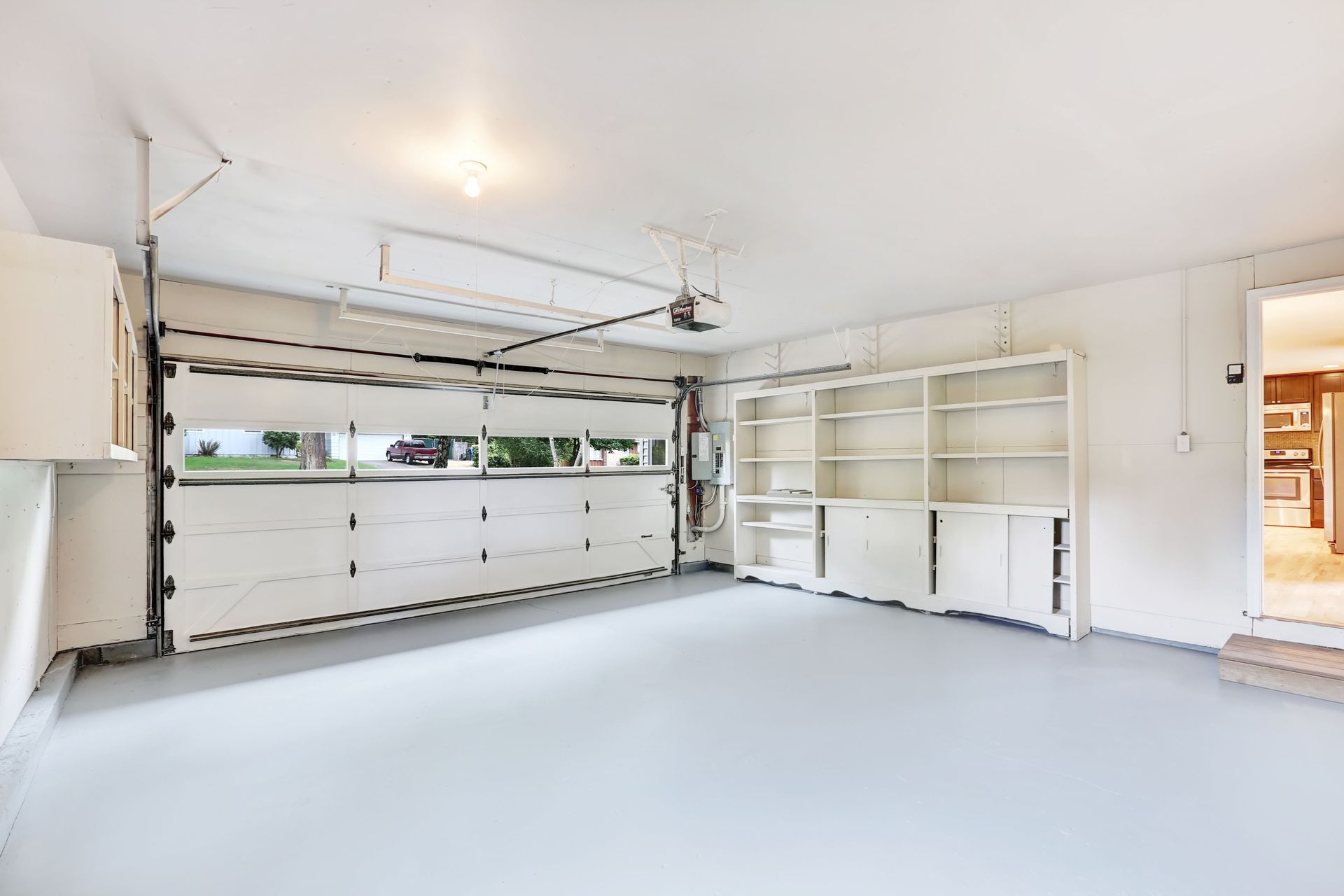
Torsion and extension springs bear the immense weight of the overhead panel during every opening cycle. Specialists begin the inspection by detaching the opener to test manual resistance and lifting ease. A balanced panel remains stationary when lifted midway off the ground. Scheduling routine garage door services allows technicians to detect subtle imbalances before excess strain damages the lifting mechanism and supporting motor assembly.
Unbalanced systems force electric openers to overwork, which shortens motor life and stresses internal drive gears. During the assessment, professionals check spring coils for separation, rust, and metal fatigue. According to Consumer Affairs, the average garage door lasts between 15 and 30 years. Proper tension adjustment ensures the assembly reaches this potential lifespan without premature component failure or mechanical breakdown.
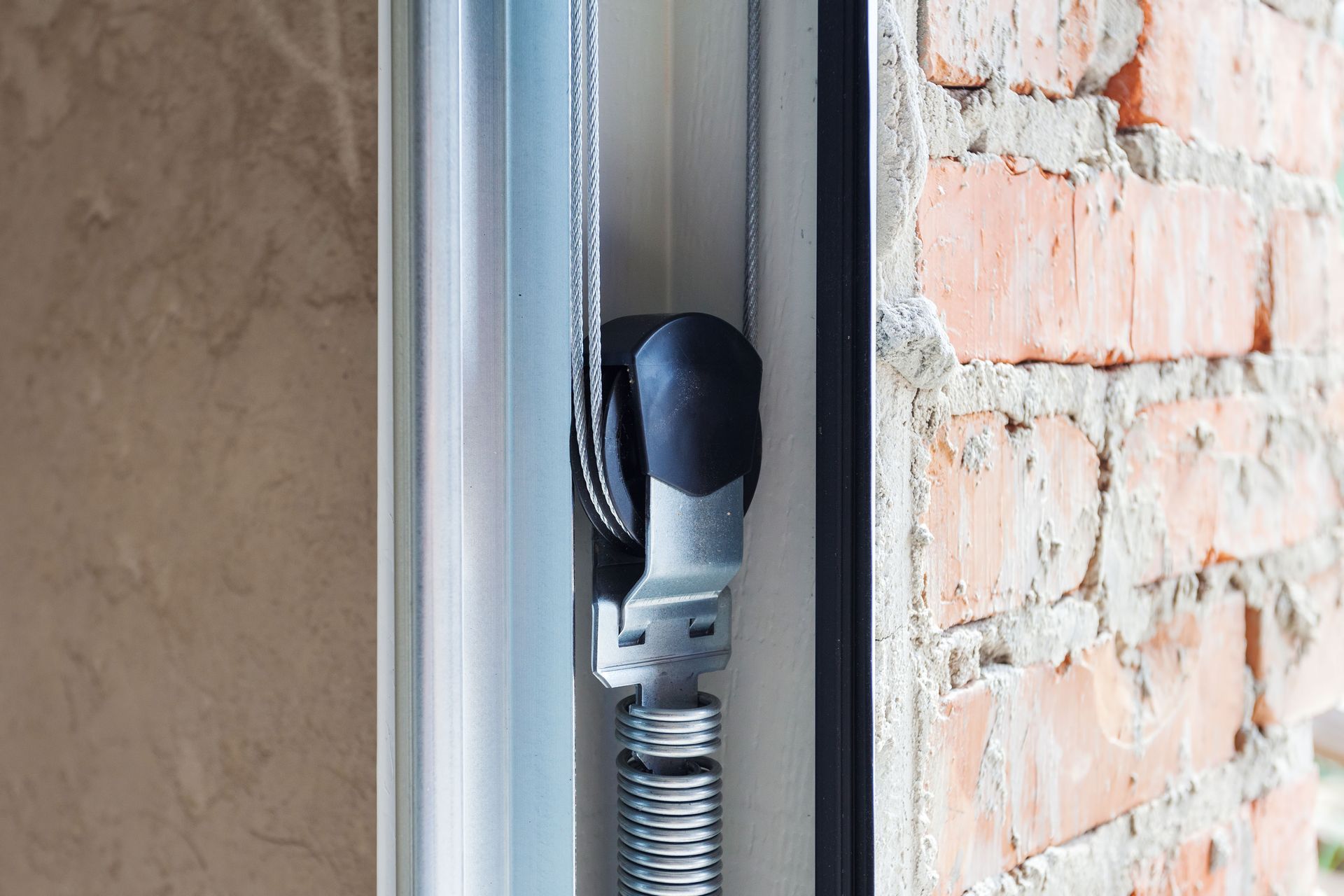
Cable assemblies work alongside springs to control panel descent and upward travel across the track frame. Inspectors examine steel cables for fraying, corrosion, and loose attachments near bottom brackets. High-tension cables pose physical danger if snapped under load. Skilled technicians use specialized tools to calibrate tension, ensuring controlled operation without risking structural collapse or severe property damage during entry cycle movements.
Worn pulleys and drums also receive careful examination during the mechanical balance check. Technicians clear debris from cable grooves to prevent binding and uneven lifting action. Lubricating load-bearing parts reduces metal friction and operational noise generation. Through comprehensive garage door services, property owners avoid sudden spring breakage and ensure consistent, quiet performance throughout the entire operational year without mechanical interruption.
Testing Safety Sensors and Reverse Mechanisms
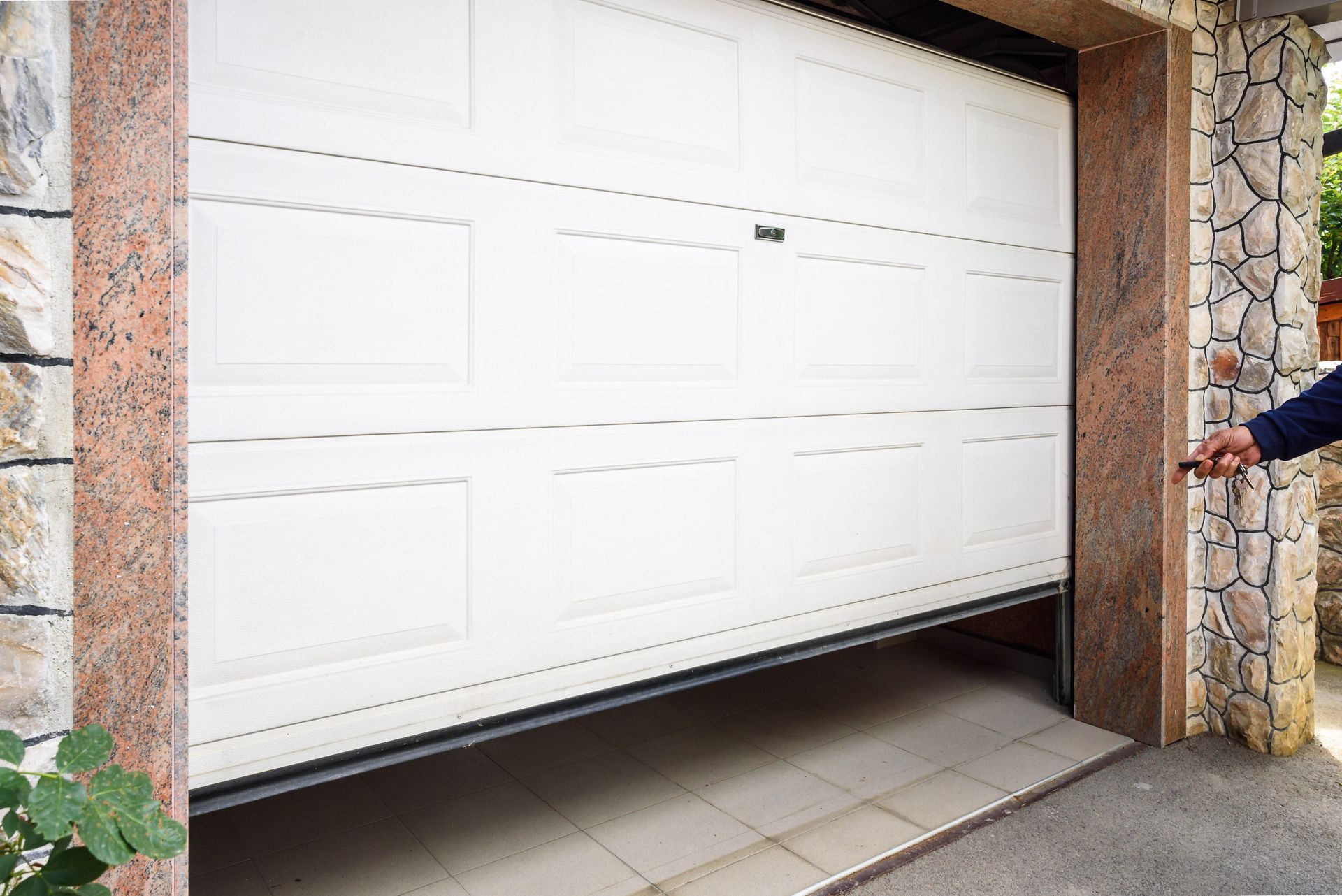
Modern automated systems rely on photoelectric sensors to prevent accidental entrapment of people and objects. Technicians inspect mounting brackets at the base of the opening for rigidity and proper alignment. The infrared beam must remain uninterrupted between opposing lenses. Small deviations in sensor elevation cause intermittent operation, leaving property owners unable to close the entry against external weather elements and security threats.
To verify system responsiveness, inspectors place an obstacle in the path of the closing panel. The mechanism must reverse direction without delay upon contact or beam interruption. Specialists clean lens surfaces to remove dust, cobwebs, and moisture build-up. Ensuring sensor reliability protects children, pets, and residential vehicles from severe crushing injuries during automated closing cycles across all seasonal weather conditions.
In addition to optical sensors, mechanical pressure sensitivity requires careful calibration by trained personnel. Technicians test force limits by measuring the physical resistance needed to trigger an auto-reverse cycle. Excessive sensitivity settings cause false reversals, while sluggish responses create severe safety hazards. Professional adjustment achieves optimal balance between closing force and obstacle detection without compromising overall home security or operational safety.
Emergency release handles undergo functional testing to confirm manual operability during residential power outages. Inspectors pull the release cord to disengage the carriage from the drive chain or belt assembly. The mechanism must release with ease without requiring excessive physical force. Verifying manual override functionality ensures occupants can exit the building during emergencies without automated electrical assistance or mechanical delay.
Inspecting Track Alignment and Hardware Condition
Steel tracks guide panel rollers through vertical and horizontal movements along the interior ceiling frame. During an inspection, specialists check for dents, bends, and misalignment along the entire track length. Loose mounting brackets cause tracks to shift, leading to binding or derailment. Securing fasteners to structural framing restores rigidity to the path and prevents premature roller wear during panel movement.
Rollers experience significant friction as travel occurs within metal channels along the wall. Technicians evaluate nylon and steel rollers for flat spots, bearing wear, and wheel wobble. Defective rollers generate loud squeals and increase resistance against the automated opener. Replacing degraded wheels restores fluid motion and reduces strain on drive systems, preserving motor components from unnecessary heat buildup and mechanical stress.
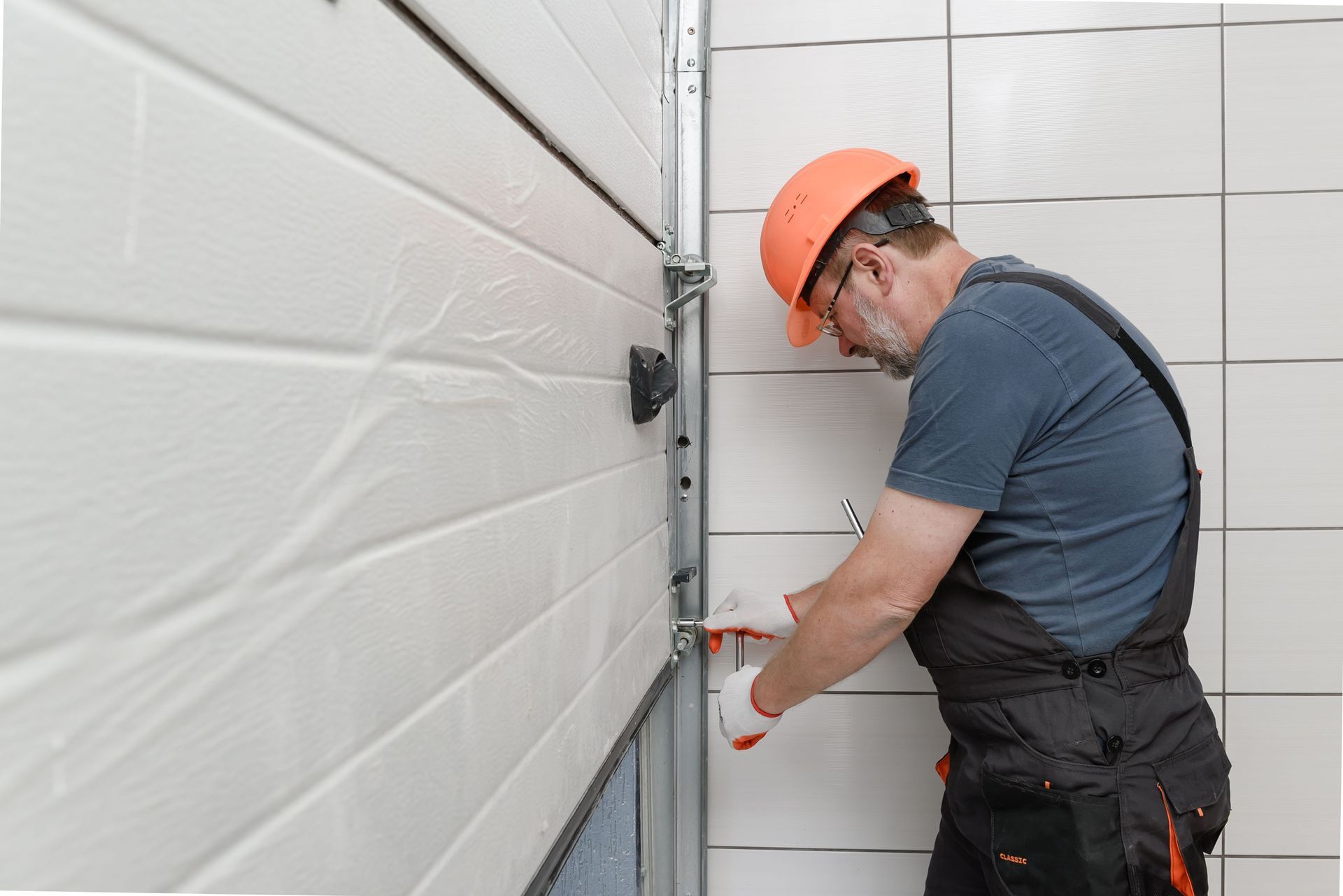
Hinges connect individual panel sections and allow articulation as the assembly curves overhead. Inspectors tighten loose hinge bolts and examine metal plates for stress fractures. Cracked hinges compromise structural stability and cause panels to buckle under operational stress. Preventive garage door services identify weakened hardware before complete separation occurs during operation, safeguarding the entryway from catastrophic collapse and structural deformation.
All fasteners, nuts, and bolts experience vibrational loosening over repeated opening and closing cycles. Technicians torque hardware across the entire assembly, including opener mounting brackets and strut supports. Proper tightening prevents rattling noises and maintains structural cohesion across the system. Meticulous attention to hardware detail preserves alignment across moving parts, preventing excess vibration from damaging structural mounting points over time.
Checking Weatherproofing Seals and Exterior Panels
Perimeter seals protect garage interiors from wind, rain, and outdoor debris infiltration. Technicians inspect vinyl and rubber weatherstripping around the top and sides of the door frame. Hardened or cracked seals allow drafts and pests to enter the residential structure. Replacing degraded perimeter strips improves thermal efficiency and protects indoor belongings from moisture accumulation, draft penetration, and severe weather damage.
The bottom astragal seal absorbs impact and fills gaps along uneven concrete flooring. Inspectors check this flexible bottom gasket for tears, compression flattening, and dry rot. An intact seal blocks standing water and prevents indoor heat loss during winter months. Technicians recommend replacements when gaps appear between the panel base and the concrete surface, ensuring complete environmental isolation for the interior.
Exterior panel surfaces require evaluation for rot, rust, and structural deflection. Steel sections develop corrosion near bottom edges, while wood panels suffer from moisture absorption and warping. Technicians examine paint integrity and protective coatings across exterior faces. Catching surface degradation at an initial stage prevents structural weakening and preserves the visual appeal of the property facade against harsh environmental exposure.
Windows and decorative inserts undergo inspection for cracked glass, broken frames, and deteriorated glazing beads. Technicians ensure decorative hardware remains anchored to panel surfaces without rattling during daily motion. Professional garage door services encompass functional and exterior evaluations, ensuring the entryway remains weatherproof, secure, and visually cohesive with the surrounding exterior architecture of the entire residential property.
Comprehensive maintenance inspections address every mechanical, electrical, and structural element of residential overhead entryways. Structured evaluation prevents unexpected component failures and enhances daily operational safety for property occupants. Homeowners benefit from reduced repair costs and sustained performance across all seasons. Routine oversight ensures complex mechanical assemblies function without disruption, eliminating severe risks of property damage or personal injury during daily usage.
Investing in preventative maintenance protects the value and security of the entire residence. Qualified technicians bring specialized knowledge and diagnostic tools to identify subtle wear indicators before structural failure occurs. Consistent attention to balance, safety systems, hardware, and seals keeps entryways operating at optimal capacity. Proactive care transforms potential mechanical hazards into reliable, long-lasting residential infrastructure for discerning property owners. When you are ready to protect your home with a routine inspection, we at Action Overhead Door LLC are here to provide the comprehensive garage door services your property needs. Contact our team today to schedule your maintenance visit and keep your entryway operating safely year-round.






Share On: