
6 Causes of Unexpected Garage Door Repairs
Garage doors are an integral part of home security and convenience. However, many homeowners encounter unexpected garage door repairs, causing inconvenience and unplanned expenses. This article explores the common causes of garage door malfunctions, helping you identify and address potential issues before they become more serious. Understanding how garage door repairs develop can help reduce disruptions and support safer long-term operation.
1. Common Causes of Wear and Tear
Recognizing the Impact of Frequent Use
Garage doors are among the most frequently used access points in a home, often opening and closing multiple times a day. Over time, this frequent use can cause wear and tear on mechanical components, leading to unexpected garage door repairs. The repetitive movement can wear out essential parts like hinges, rollers, and tracks, making them prone to malfunction. Homeowners might notice squeaky sounds or hesitant movement as early indicators of potential problems. Routine inspections and lubrication of moving parts can help support smoother operation.
Understanding the Effects of Aging Components
As garage doors age, their components naturally degrade due to prolonged exposure to operational stress. Springs, cables, and door panels may exhibit signs of fatigue over time, which can contribute to garage door repairs. An aging garage door system may not operate as smoothly as it once did, increasing the risk of sudden breakdowns. According to HomeGuide, garage doors generally last 15 to 30 years depending on the material, usage frequency, climate, and level of maintenance. Homeowners should monitor aging signs and consider replacing worn components when needed.
Assessing the Impact of Environmental Factors
Environmental conditions can significantly impact the longevity of garage doors. Regions with harsh winters, heavy rainfall, or high humidity levels can accelerate rust and corrosion on metal components, sometimes leading to garage door repairs. Seasonal temperature fluctuations may cause expansion and contraction in materials, affecting structural integrity. Exposure to ultraviolet rays can also deteriorate painted or wooden surfaces over time. Understanding local environmental conditions can help reduce long-term wear.
2. Spring-Related Causes of Broken Springs
Identifying the Signs of Broken Springs
A broken spring is one of the most common sources of garage door repairs. Homeowners may notice uneven movement, difficulty opening the door, or a door that suddenly feels much heavier. Springs help balance the weight of the door, so when they fail, normal operation becomes difficult or unsafe. Early detection helps prevent additional strain on other system components.
Examining the Causes of Spring Damage
Springs endure significant stress during daily operation, which eventually leads to wear and potential garage door repairs. Metal fatigue is a primary cause of failure over time. Temperature changes and lack of maintenance can also contribute to deterioration. Routine inspection and proper care of surrounding components can help extend spring performance.
Comparing the Types of Garage Door Springs
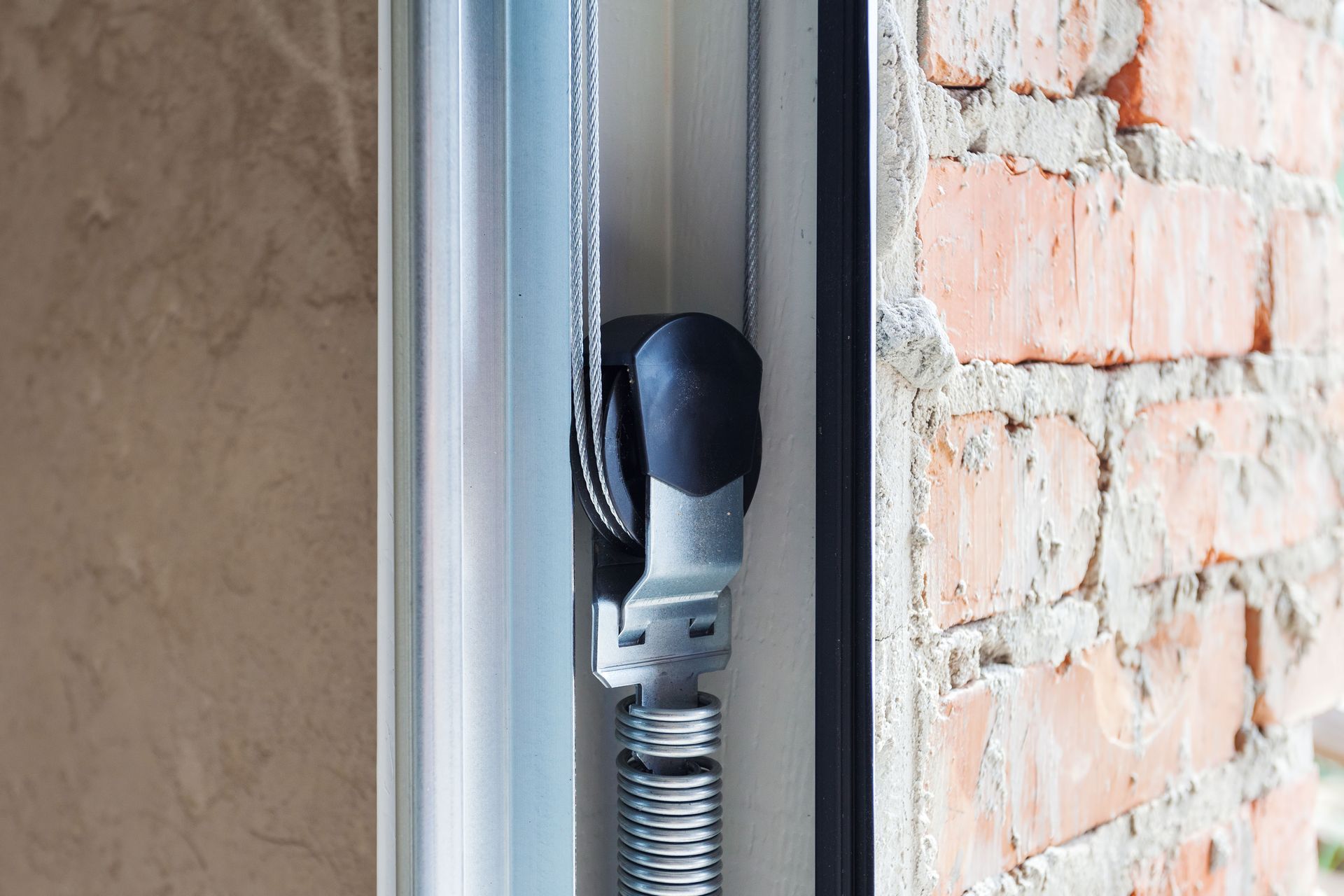
There are two main types of garage door springs: torsion springs and extension springs. Torsion springs are typically mounted above the door and use torque to assist movement. Extension springs are located along the sides and expand or contract to support lifting and lowering. Each system operates differently and requires proper handling based on design.
3. Alignment-Driven Causes of Misaligned Tracks
Detecting the Signs of Track Misalignment
Misaligned tracks can cause the garage door to operate unevenly or become stuck during movement, sometimes leading to garage door repairs. Grinding noises or uneven gaps along the door frame may also indicate alignment issues. These symptoms can affect both performance and safety if not addressed. Early detection helps prevent more serious system damage.
Exploring the Causes of Track Misalignment
Track misalignment may result from frequent use, accidental impact, or gradual loosening of hardware. Environmental conditions and vibration over time can also contribute to shifting, which may lead to garage door repairs. Regular inspection helps identify these issues early before they affect system performance. Proper maintenance helps keep the system operating smoothly.
Evaluating the Impact on Door Operation
When tracks are misaligned, the door may struggle to open or close smoothly, which can result in garage door repairs if left unresolved. This can place added stress on other system components and lead to further wear. In some cases, improper closure may also affect security and energy efficiency. Addressing alignment issues promptly helps maintain dependable operation.
4. Electrical Causes of Malfunctioning Openers
Diagnosing the Effects of Electrical Issues on Openers
Garage door openers rely on electrical systems to function properly, and disruptions can contribute to garage door repairs. Power interruptions, wiring issues, or depleted batteries can disrupt performance. Ensuring a consistent power supply helps support dependable operation. Regular checks can help reduce unexpected failures.
Inspecting the Causes of Mechanical Failures
Mechanical components within the opener can wear down over time, leading to garage door repairs. Gears, belts, and motors may become less effective with continued use. Regular inspection and timely replacement of worn parts help maintain performance. Preventative maintenance supports system longevity.
Evaluating the Impact of Remote Control Problems
Remote control issues are often caused by battery failure or signal interference, which may contribute to garage door repairs. Compatibility issues or programming errors can also affect performance. Testing and maintaining remote devices helps ensure consistent access. Communication between components is essential for proper operation.
5. Structural Causes of Damaged Panels
Identifying the Causes of Panel Damage
Garage door panels are exposed to both environmental conditions and physical impact, which can lead to garage door repairs. Accidental contact, exposure, and long-term use can contribute to dents or structural wear. Identifying damage early helps prevent further deterioration. Routine inspection supports long-term performance.
Analyzing the Identification of Structural Issues
Visible bending, cracking, or misalignment may indicate structural issues in door panels, sometimes resulting in garage door repairs. These problems can place additional stress on the entire door system if not addressed. Regular inspection helps identify concerns before they worsen. Early attention helps preserve system integrity.
Weighing the Considerations for Repair vs Replacement
Minor cosmetic damage may sometimes be addressed through repair, depending on severity, and may avoid garage door repairs. However, significant structural issues often require panel replacement to restore proper function. Evaluation of the overall door condition is important when making this decision. A professional assessment can help guide the best outcome.
6. Tension-Based Causes of Frayed or Broken Cables
Spotting the Signs of Cable Damage
Frayed or damaged cables may present visible wear, uneven door movement, or unusual operating sounds, all of which can result in garage door repairs. These signs should be addressed promptly to avoid further complications. Early detection is important for safe operation. Ignoring these symptoms can lead to system failure.
Reviewing the Causes of Cable Failure
Cables experience constant tension, which can lead to wear over time and eventual garage door repairs. Corrosion, friction, and improper alignment are common contributing factors. Regular inspection helps reduce the likelihood of unexpected failure. Preventive care supports system dependability.
Understanding the Dangers of Ignoring Cable Issues
Neglecting damaged cables can lead to sudden system failure or unsafe door movement, often requiring garage door repairs. Increased strain on remaining components may also cause additional damage. Prompt attention helps maintain safe and dependable operation. Addressing issues early reduces risk.
Understanding the causes behind unexpected garage door repairs can help reduce disruptions and limit unnecessary repair costs. Staying attentive to early warning signs and keeping up with routine upkeep supports smoother, safer operation over time. When issues are handled promptly, overall performance improves, and the lifespan of the system is better protected. Consistent care and professional attention both play an important role in keeping garage doors functioning as intended. To learn more, Action Overhead Door LLC offers residential and commercial garage door installation, repair, maintenance, and emergency services designed to support dependable overhead door performance.




Share On: