
3 Components Most Frequently Replaced During Garage Door Repairs
This article explores the most common components that often require replacement during garage door repairs. Understanding these frequently replaced elements is crucial for homeowners aiming to keep their garage doors functional and safe. With regular use, garage doors tend to undergo significant wear and tear. Therefore, knowing which parts are prone to malfunction can facilitate early diagnosis and timely repairs. This proactive approach not only prolongs the life of the garage door but also helps in avoiding unexpected inconveniences. Updated knowledge on these components can aid in early diagnosis and more efficient repair processes.
1. Springs
Garage door springs are arguably one of the most critical components of the entire system. They support the door's weight, allowing it to open and close smoothly. Without proper functioning springs, your garage door might not be operable at all. There are primarily two types of springs used in garage doors: torsion springs and extension springs. According to HomeGuide, spring replacement is the most frequent garage door repair, and most springs are designed for 10,000 to 20,000 cycles, or roughly 7 to 14 years in an average household.
1.1. Torsion Springs
Torsion springs are placed parallel above the door and wind up as the door closes, storing potential energy. This stored energy is then released to help lift the door when it opens. They are more robust and generally last longer than extension springs because they are designed for a higher number of cycles. However, once a torsion spring breaks, the replacement process can be complex and dangerous if not handled properly. Professional help is often necessary when dealing with torsion springs due to the substantial force they are under.
1.2. Extension Springs
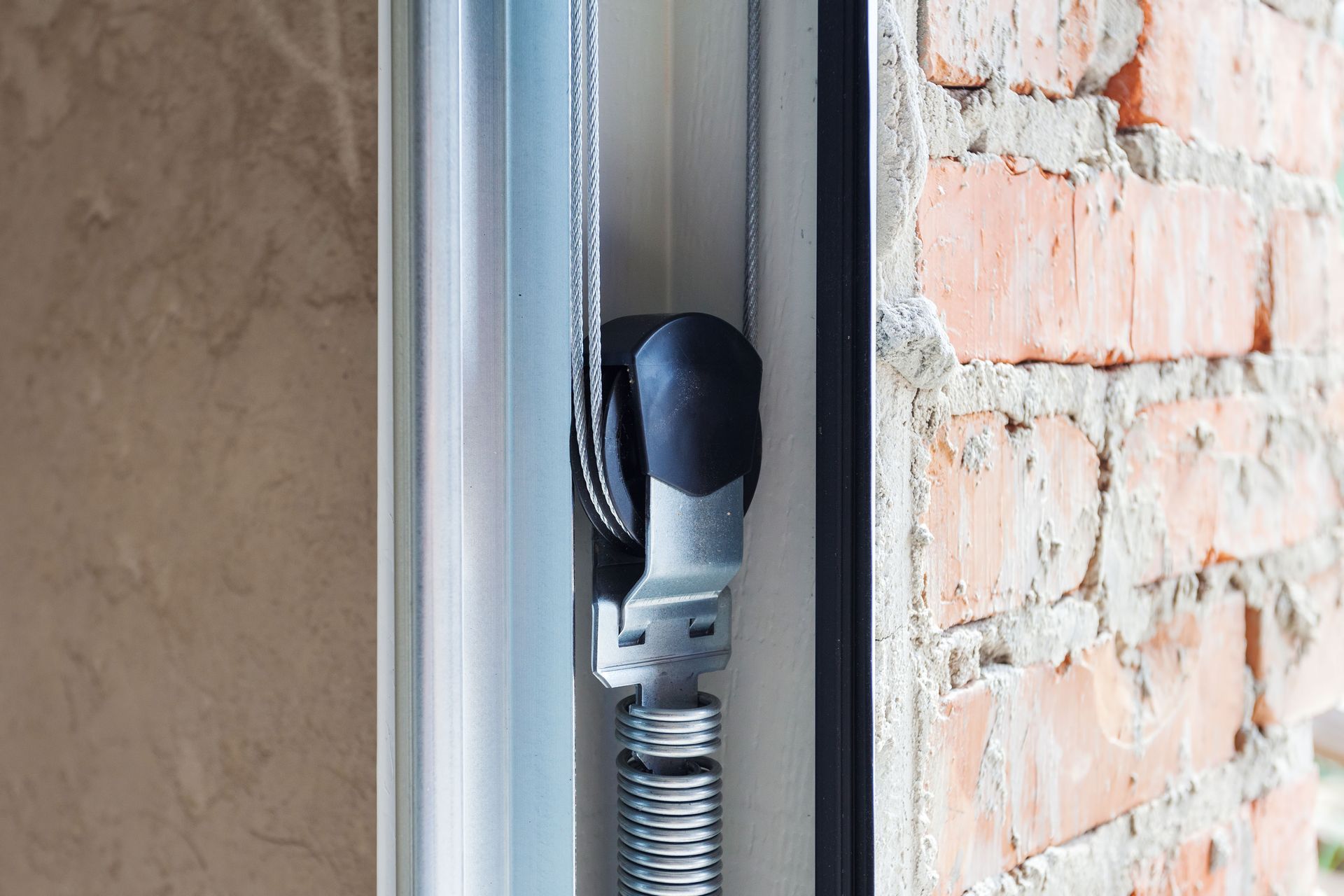
Extension springs are usually found on either side of the door running parallel to the track. Unlike torsion springs, extension springs extend and contract as the door operates. While they are generally less expensive than torsion springs, they do not last as long. The tension within these springs can also pose significant risks during replacement. Ensuring these springs are maintained and replaced as needed is crucial for the safe operation of the garage door.
1.3. Spring Maintenance Tips
Regular maintenance can significantly extend the life of your garage door springs. One of the most important tips is to keep them lubricated, reducing friction and preventing rust. Homeowners should also routinely inspect springs for signs of wear or damage such as gaps in the coils or rust patches. Addressing these issues early can prevent catastrophic failures later. Additionally, ensuring that the garage door is balanced can reduce unnecessary stress on the springs.
1.4. Signs of Spring Failure
Spotting the signs of spring failure early can save time and money. If the garage door opens and closes in jerky movements, or if it only opens partway, the springs might be at fault. Another sign is if the door feels unusually heavy when attempting manual operation. Noise, such as loud bangs, during operation can also indicate spring problems. Keeping an ear out for these sounds and an eye for visual cues can prevent complete spring failure.
1.5. Professional Spring Replacement
Given the inherent dangers associated with garage door springs, professional intervention is highly recommended for replacements. Springs are under extreme tension and can cause serious injury if mishandled. Professionals possess the tools and expertise to safely remove and replace these components. Additionally, trained technicians can perform a detailed inspection of the entire door system. This ensures that the new springs operate in harmony with other door parts.
2. Garage Door Opener
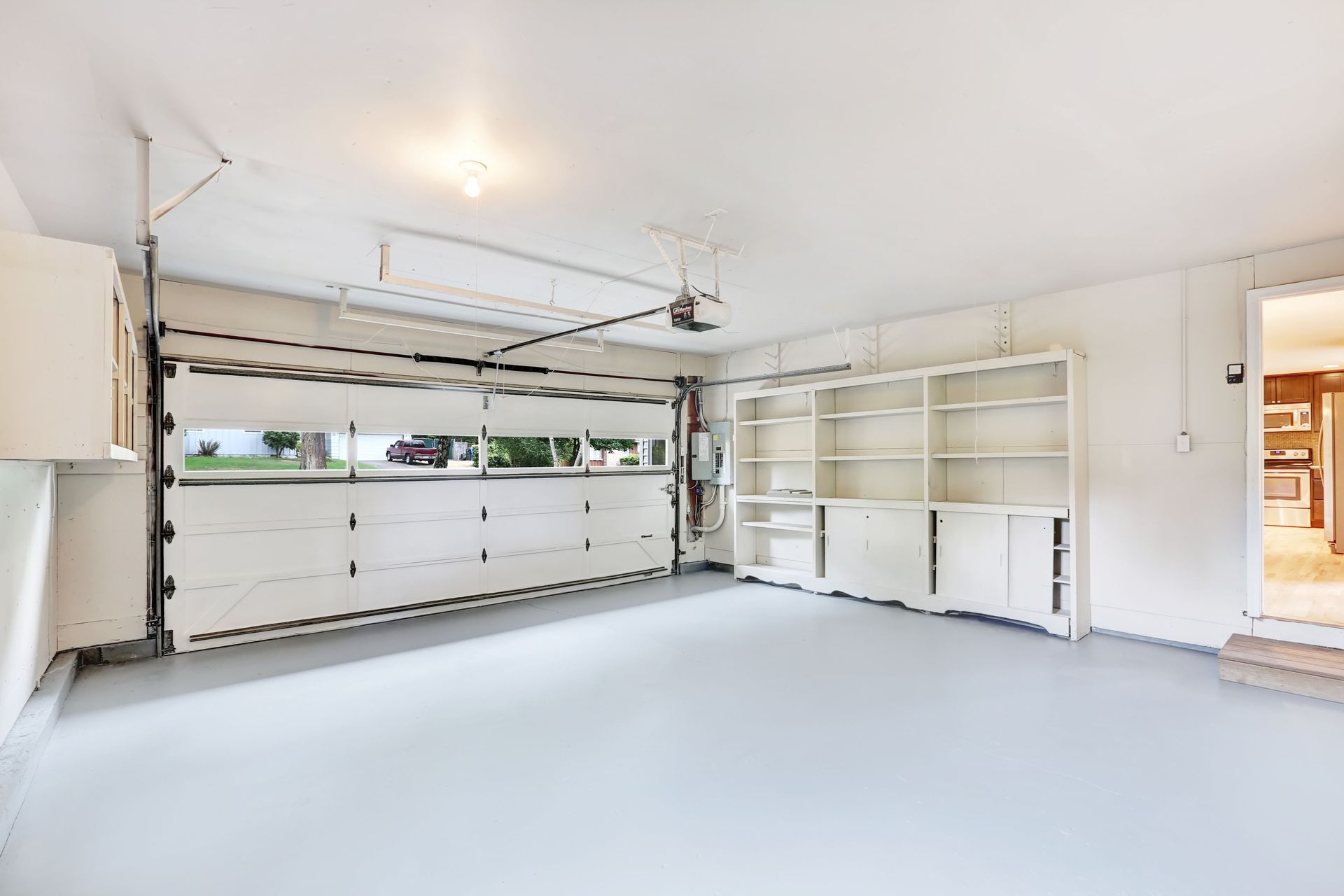
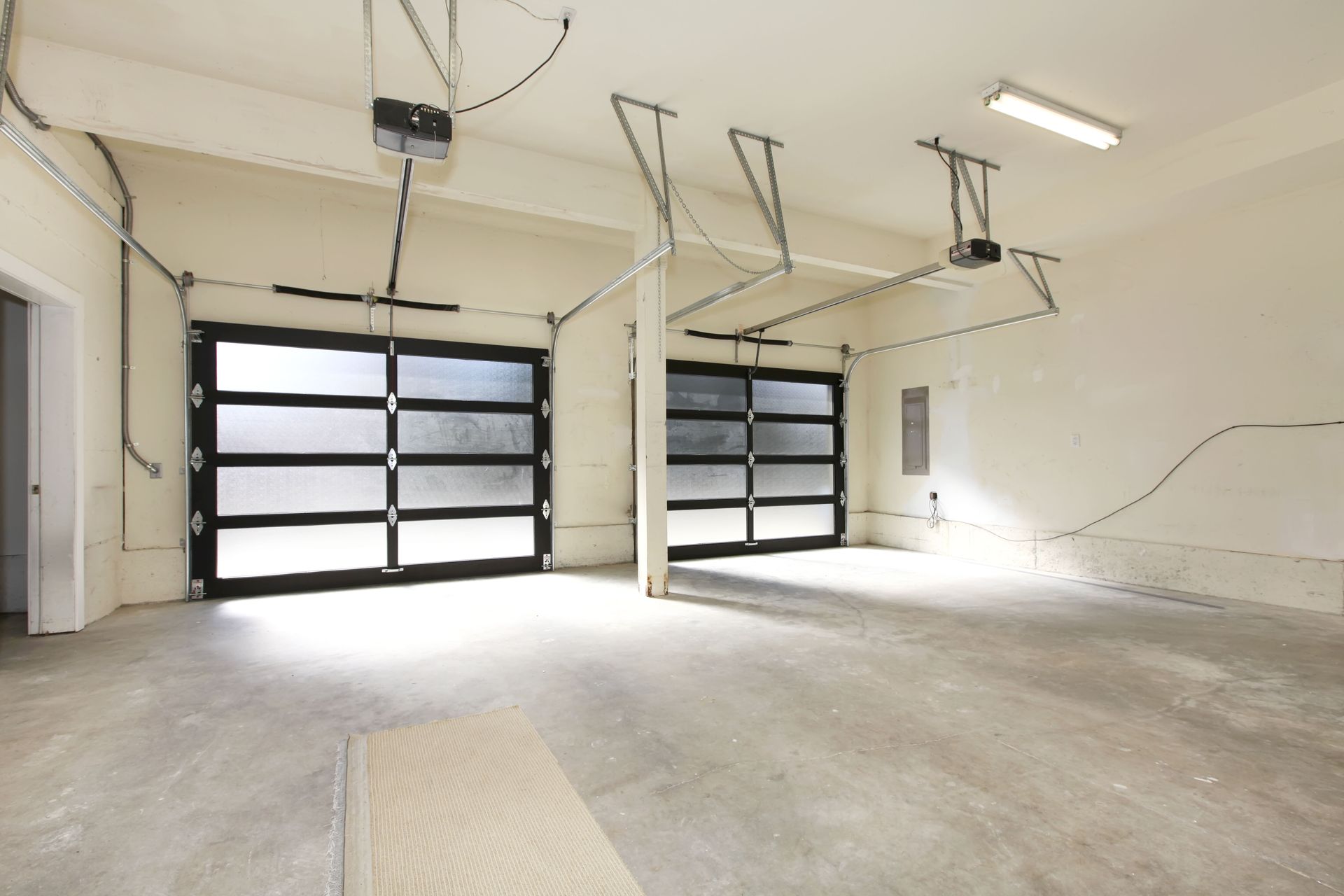
The garage door opener is another vital component that often requires attention and potential replacement. Its job is to automate the process of opening and closing the door, providing convenience and safety. When the opener fails, the garage door might fail to operate efficiently or at all. Modern openers come with advanced features like remote operation and security boosts, but their complexity increases the chances of malfunction. Many homeowners face difficulties identifying problems as openers are often complex mechanical systems intertwined with electronics.
2.1. Common Opener Problems
Several problems can plague garage door openers. A common issue is the wearing out of internal gears, which can cause the opener to fail. Additionally, electrical malfunctions might occur, resulting in unresponsive control panels or faulty remote connections. Misalignment of the photo-eye sensors is another frequent hiccup, preventing the door from closing correctly. Finally, problems with the drive motor or drive belt might render the opener useless.
2.2. Types of Openers
There are several types of garage door openers, each with unique characteristics. Chain-drive openers are durable and cost-effective but can be noisy. Belt-drive openers offer quieter operation and are ideal for garages attached to living spaces. Screw-drive openers are known for their simplicity and require less maintenance. Finally, direct-drive openers are the quietest and most reliable type, yet they come with a higher price tag. Each type has its merits and deficiencies, situating them for specific needs and budgets.
2.3. Opener Maintenance
Regular maintenance of the garage door opener can mitigate many potential problems. Homeowners should ensure that all moving parts, like chains and belts, are lubricated to reduce friction and wear. Checking the alignment of sensors, ensuring they remain unobstructed, is crucial for safety and performance. Regular testing of the control panels and remote systems helps identify issues before they become severe. Finally, keeping the tracks clean and clear of debris extends opener life by reducing additional strain.
3. Cables
Cables are integral to the functioning of garage doors, working in tandem with springs to lift and lower the door. Over time, these cables endure substantial strain and might require replacement to prevent catastrophic door failures. With constant use, cables can begin to fray or develop rust, weakening their structural integrity. Similar to springs, homeowners must routinely inspect cables to maintain garage door safety. Ignoring cable maintenance can culminate in sudden, often hazardous garage door failures.
3.1. Role of Cables
Garage door cables descend along either side of the door and work with springs to transfer energy. When springs wind or unwind, cables bear the door's weight during ascent and descent. They are typically made from steel for strength and durability, counterbalancing the hefty door during operation. Proper tension and alignment are crucial for cable functionality and prevent the door from collapsing. Their role as a supportive element provides both stability and safety during operation.
3.2. Common Cable Issues
Cables can face several common issues that necessitate replacement. Fraying due to wear over time is a frequent problem, reducing their ability to lift the door safely. Rust buildup is another concern, especially in regions with high humidity, leading to corrosion and weakening cable fibers. In some cases, improper installation can lead to misalignment, forcing cables to work inefficiently. Lastly, cable drums can malfunction if not appropriately maintained, affecting the cables' tension adjustment.
3.3. Cable Maintenance Suggestions
Homeowners must conduct regular maintenance to ensure cable longevity. Routinely checking for frays or visible signs of wear can help determine when replacements might be necessary. Rust prevention through the application of protective sprays helps maintain cable integrity in damp climates. Ensuring that cables remain correctly aligned and taut enhances their functionality and prevents undue stress. Additionally, keeping contact points and pulleys clean reduces friction and extends longevity. Be sure to reach out to Action Overhead Door today to learn more about our professional
garage door repair!




Share On: